

Ulcerative colitis
关于本病患
Ulcerative colitis (UC) is a chronic non-specific inflammatory bowel disease with a complex etiology that may be closely related to various factors such as genetics, immunity, environment, and infection. The lesions of this disease are mainly limited to the mucosa and submucosa of the large intestine. Clinical manifestations include recurrent diarrhea, mucous purulent stools, abdominal pain, and may be accompanied by systemic symptoms such as fever and weight loss. Ulcerative colitis has the characteristics of long course and recurrent attacks, which seriously affect the quality of life of patients and may even endanger their lives.
clinical manifestation
Diarrhea: The severity varies, with mild cases having 2-3 bowel movements per day and severe cases having up to dozens of bowel movements.
Mucous purulent stool: The stool is mostly in the form of a paste, mixed with mucus and pus.
Abdominal pain: often caused by left or lower abdominal pain, which can be relieved after defecation.
Other symptoms include bloating, nausea, vomiting, loss of appetite, fever, anemia, electrolyte imbalance, etc.
Latest treatment methods
medication
Aminosalicylic acid preparations, such as mesalazine, are used to control mild to moderate inflammation.
Corticosteroids, such as prednisone, are used for the treatment of acute or severe patients.
Immunosuppressants, such as azathioprine, are used for long-term maintenance therapy to reduce recurrence.
Biological agents, such as anti-tumor necrosis factor antibodies, target specific immune pathways for targeted therapy.
Nutritional support therapy
Provide a high calorie, low fiber diet and supplement vitamins and minerals as necessary to improve the patient's nutritional status and promote mucosal healing.
Antimicrobial therapy
Use antibiotics such as ciprofloxacin to control specific infections and reduce inflammatory reactions.
Traditional Chinese Medicine Therapy
Herbal formula, acupuncture and moxibustion, cupping and other methods may help to clear away heat, remove dampness and harmonize qi and blood, but they need to be individually formulated and implemented under the guidance of professional Chinese medicine practitioners.
Endoscopic treatment
For specific lesions such as polyps, stenosis, or those that are difficult to treat with other conventional methods, minimally invasive surgery such as polypectomy or stenosis dilation can be performed during colonoscopy.
Probiotic therapy
Specific probiotics such as Lactobacillus casei L Casei21、 Bifidobacterium longum JBLC-41 and other bacteria have significant effects in clearing free radicals, anti-inflammatory effects, and improving intestinal microbiota, which are helpful for the rehabilitation and prevention of recurrence of ulcerative colitis.
psychotherapy
Adjusting mentality, maintaining a healthy and positive mindset, and stabilizing and soothing emotions play an important role in the rapid recovery of diseases.
In summary, there are various treatment methods for ulcerative colitis, and individualized treatment plans need to be developed based on the specific situation of the patient. At the same time, patients should also pay attention to maintaining a healthy lifestyle and regular follow-up to prevent disease recurrence and complications.
 适用诊疗方案
 适用药品
适用药品
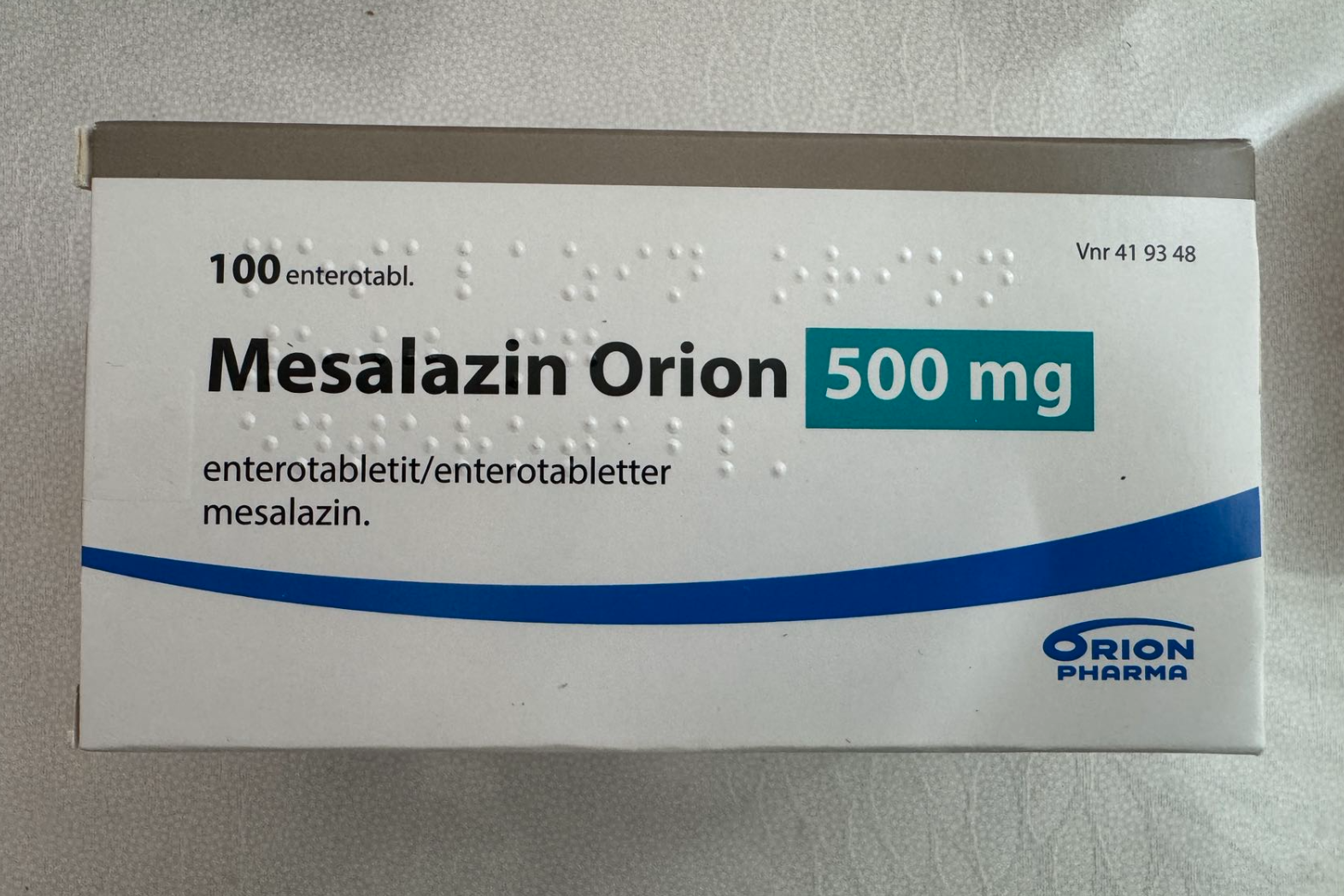
Mesalazin Orion 500 mg (Enteric-coated tablets) 盒
Mesalazin Orion 500 mg (Enterotabletit)
 瑞典
瑞典