

Stomach (gastric) cancer
关于本病患
Gastric cancer is a malignant tumor originating from gastric mucosal epithelium. It has a relatively high incidence rate worldwide, especially in the northwest and eastern coastal areas of China. The incidence rate is relatively high. Gastric cancer tends to occur in people over 50 years old. The ratio of male to female incidence rate is 2:1. In recent years, due to changes in diet, increased work pressure, and Helicobacter pylori infection, the incidence of gastric cancer has become younger.
Symptoms of gastric cancer
Early gastric cancer usually has no obvious symptoms or non-specific symptoms such as upper abdominal discomfort and belching, which are similar to chronic gastric diseases such as gastritis and gastric ulcers, and are therefore easily overlooked. As the condition progresses, patients with gastric cancer may experience symptoms such as abdominal pain, decreased appetite, nausea, vomiting, vomiting blood, black stool, weight loss, and fatigue. In the late stage, there may also be signs of abdominal mass, upper abdominal tenderness, splenomegaly, jaundice, and distant lymph node metastasis.
The latest treatment methods for gastric cancer
Surgical treatment: For early gastric cancer, surgical resection is the preferred treatment method. For patients who meet the indications, endoscopic treatment such as endoscopic mucosal resection (EMR) and endoscopic submucosal resection (ESD) may be preferred. For patients who are not suitable for endoscopic treatment, open or laparoscopic surgery can be performed. For advanced gastric cancer, the standard treatment is D2 surgical resection combined with postoperative adjuvant chemotherapy.
Chemotherapy: Chemotherapy plays an important role in the treatment of gastric cancer and is commonly used for preoperative neoadjuvant chemotherapy, postoperative adjuvant chemotherapy, and palliative treatment of advanced gastric cancer. Common chemotherapy drugs include fluorouracil, cisplatin, etc., which inhibit tumor growth by killing rapidly proliferating cancer cells.
Targeted therapy: Targeted therapy targeting specific molecular abnormalities such as EGFR mutations and HER-2 overexpression is gradually gaining attention in the treatment of gastric cancer. For example, patients with HER-2 overexpression can be treated with targeted therapy using trastuzumab.
Immunotherapy: Immunotherapy has become a new hotspot in the treatment of gastric cancer by activating the body's own immune system to combat cancer cells. Common drugs include PD-1 inhibitors and PD-L1 inhibitors, which are one of the preferred options for patients who cannot benefit from traditional chemotherapy and have no contraindications.
Traditional Chinese Medicine Treatment: Traditional Chinese Medicine treatment also plays a certain role in the comprehensive treatment of gastric cancer, focusing on overall regulation of body balance, and may enhance immunity and reduce chemotherapy side effects.
In summary, there are various treatment methods for gastric cancer, including surgery, chemotherapy, targeted therapy, and immunotherapy. Patients should choose the most suitable treatment plan based on their own condition and doctor's advice, and maintain a positive and optimistic attitude during the treatment process, cooperate with the treatment, in order to improve the treatment effect and quality of life.
 适用诊疗方案
 适用药品
适用药品
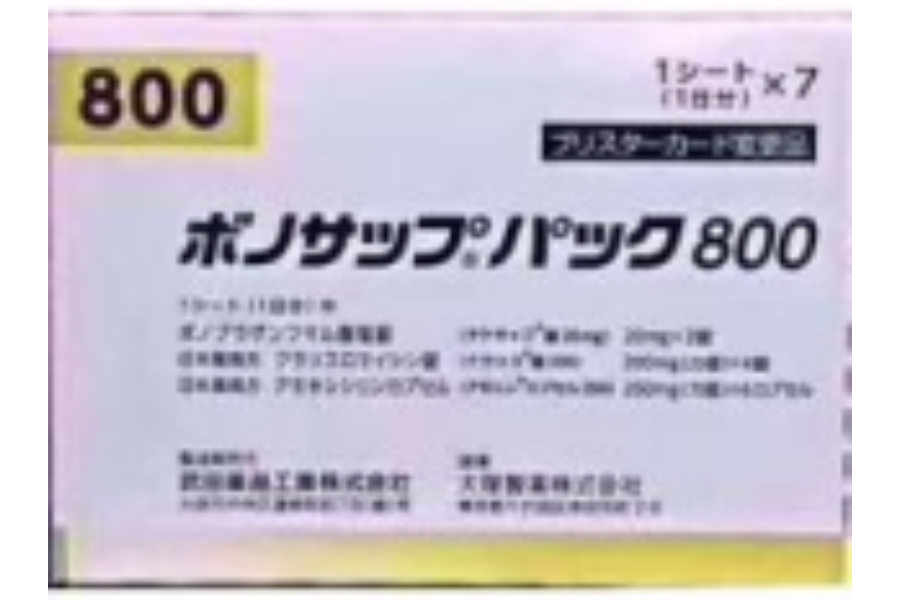
 日本
日本